

Say it slowly tour Day 23: Auschwicz-Birkenau
[Warning: opinions may offend]
Today I visited the scenes of one of the darkest times in the history of the world. I was led through buildings where, 65 years before me, almost unspeakable acts were committed, where people were worked until they were killed, were subject to cruel and barbaric experimentation, were degraded, tortured and killed. Cruelly, those who were spared this treatment (most of those transported here) were marched off and gassed to death.
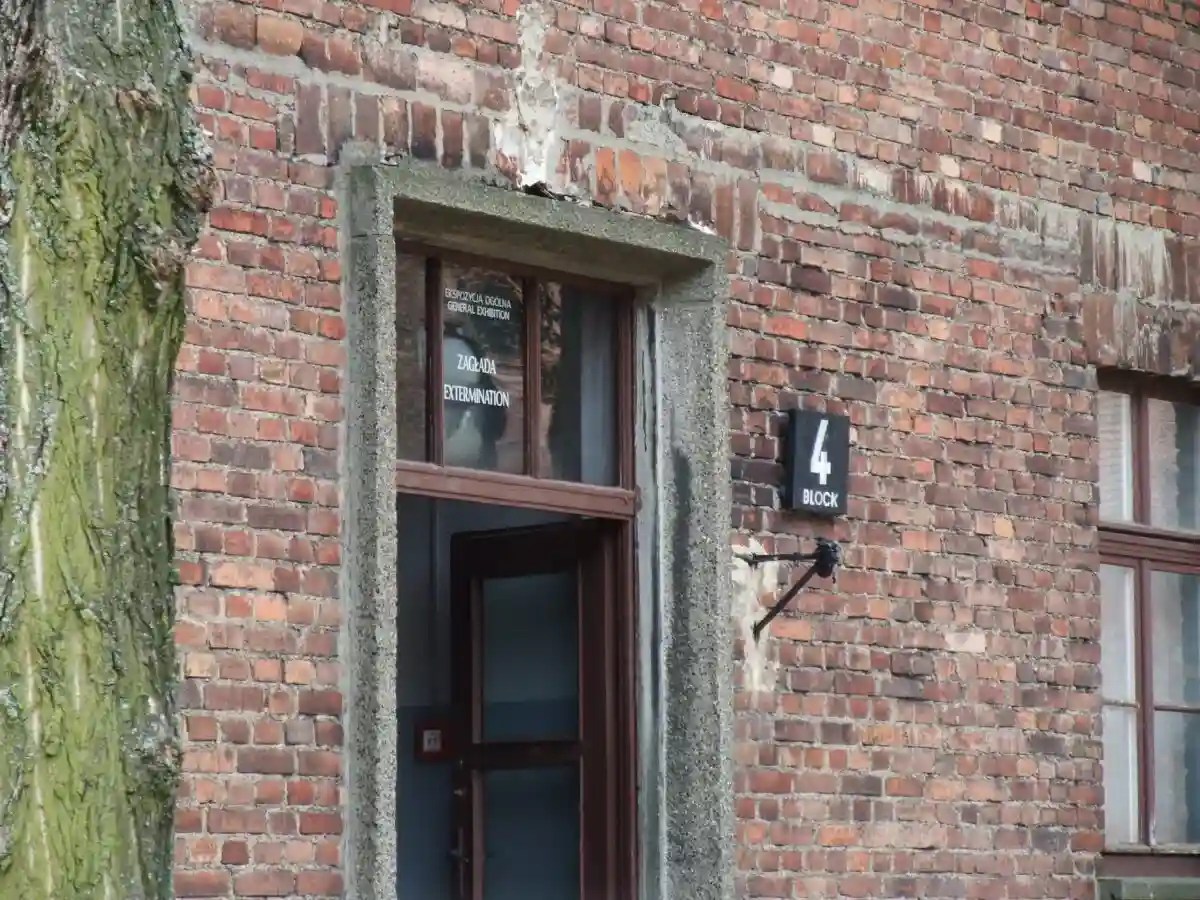
The tour of Auschwitz took me through rooms of photos and documents, a chamber filled with 2 tonnes of human hair, uncountable numbers of suitcases (including one whose owner was born in 1936 – the camp was liberated in 1945), great piles of children’s shoes, prosthetics, brushes and other personal items. There is a corridor of photos taken of inmates, annoted where possible with birthdates, date of incarceration and date of death. Many women barely lasted three months, men rarely a year.
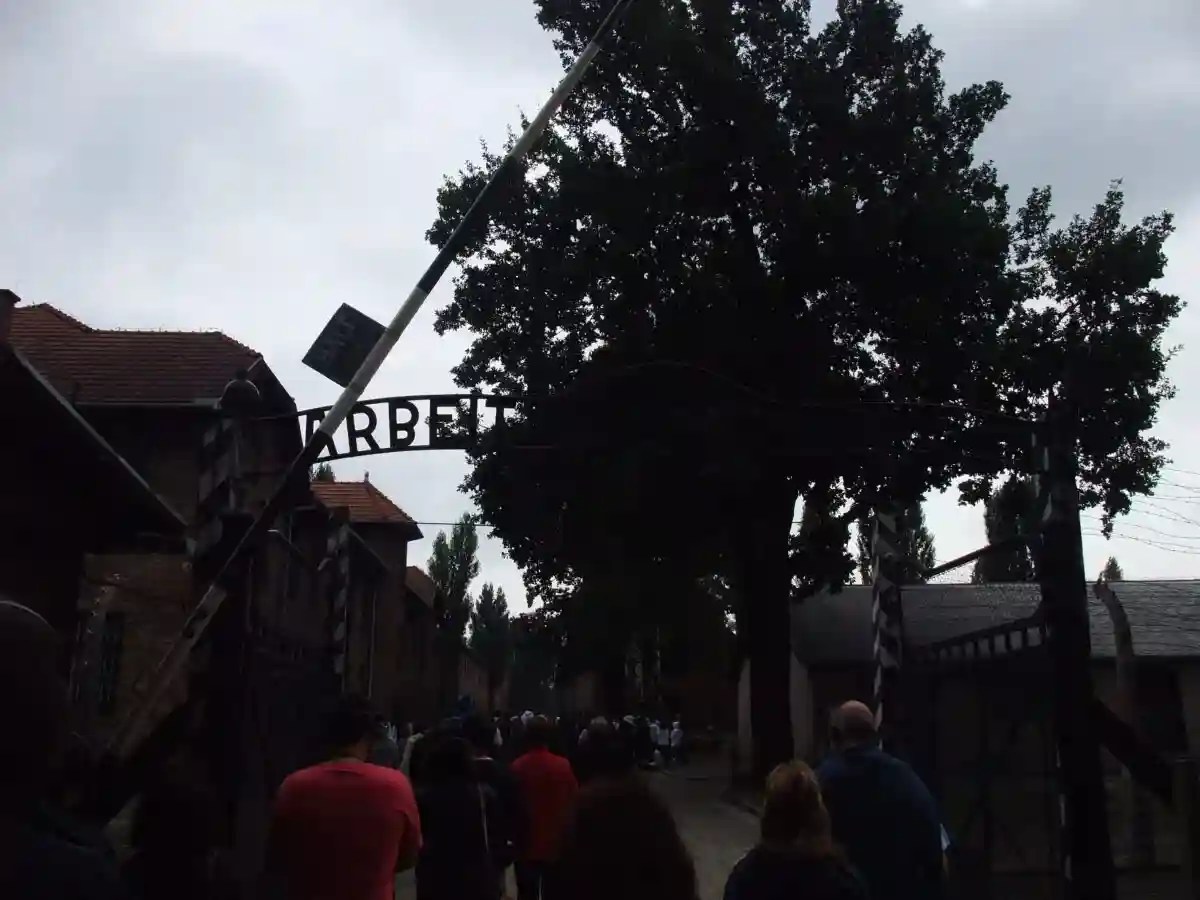
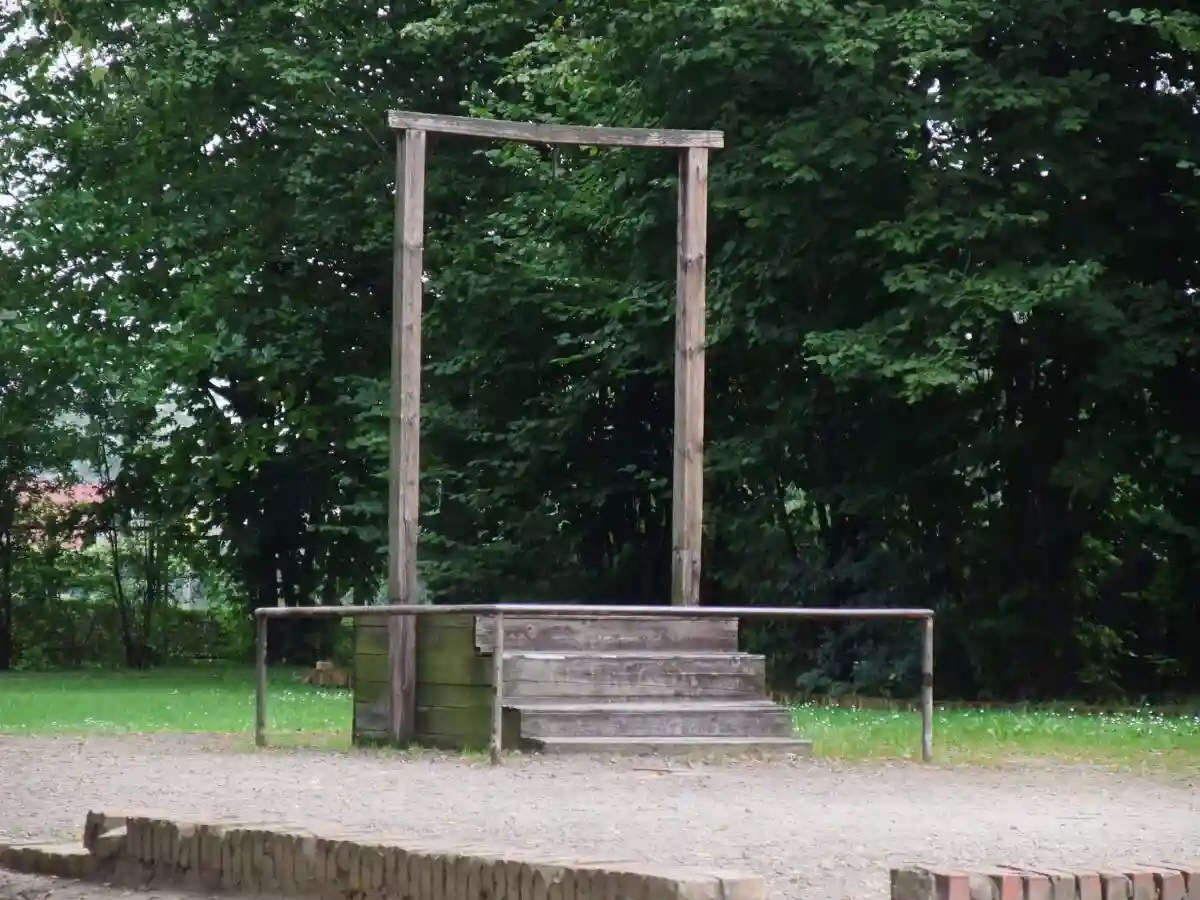
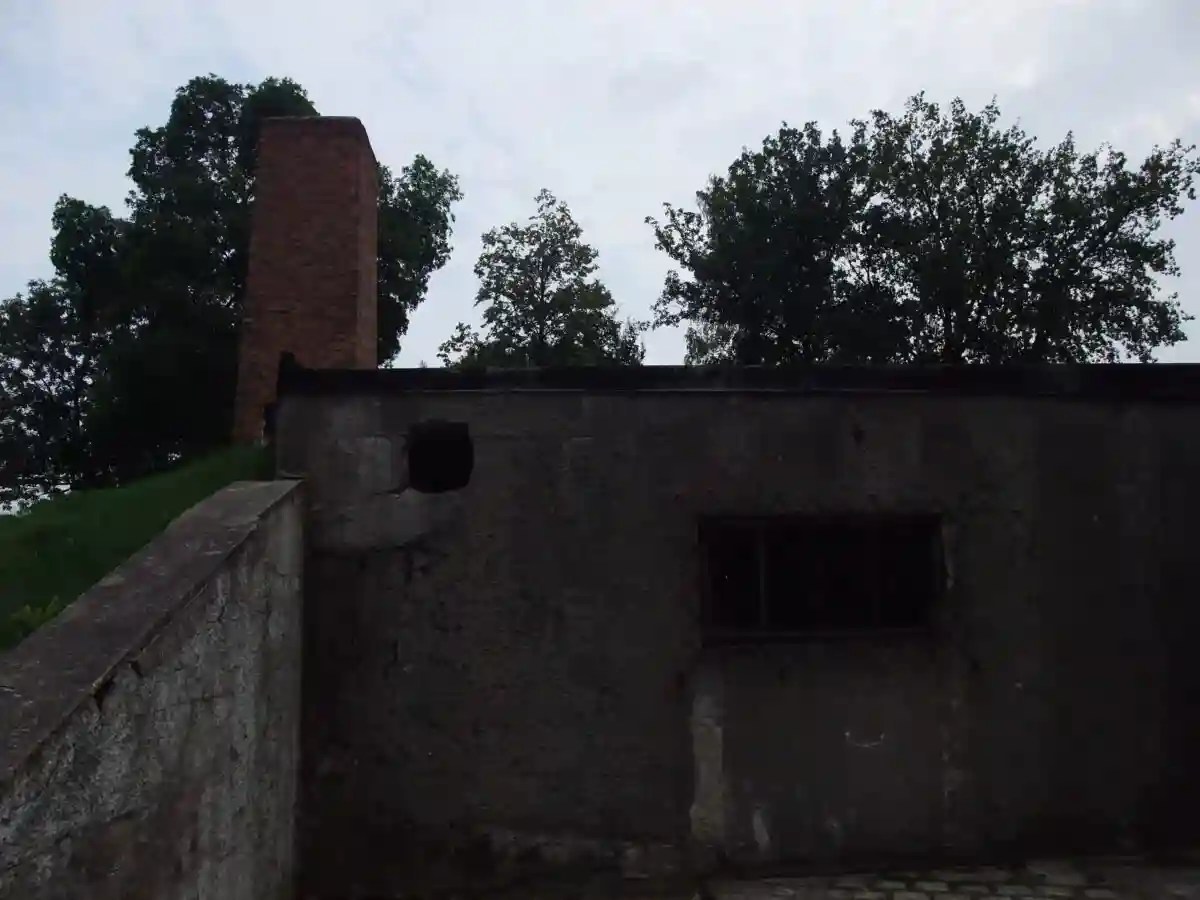
The tour took me past where the commandant for most of the camp’s history, Rudolph Hoess, was hung for his work in 1947. The entry gate, Arbeit macht frei/work brings freedom. The courtyard where executions took place. The cells where countless were held until they died. Crematoriam 1. The gas chamber, where I could look up and see where the Zyclon B crystals were poured in.
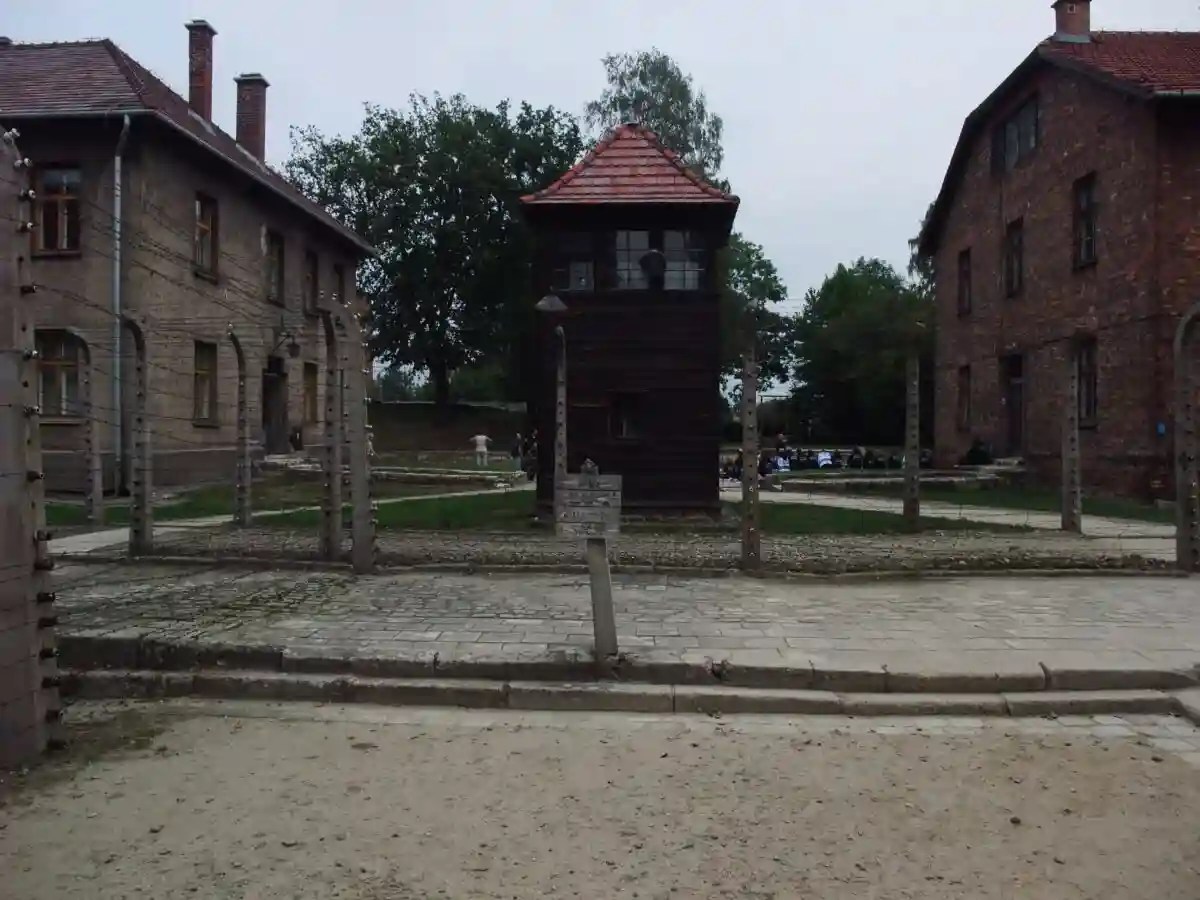
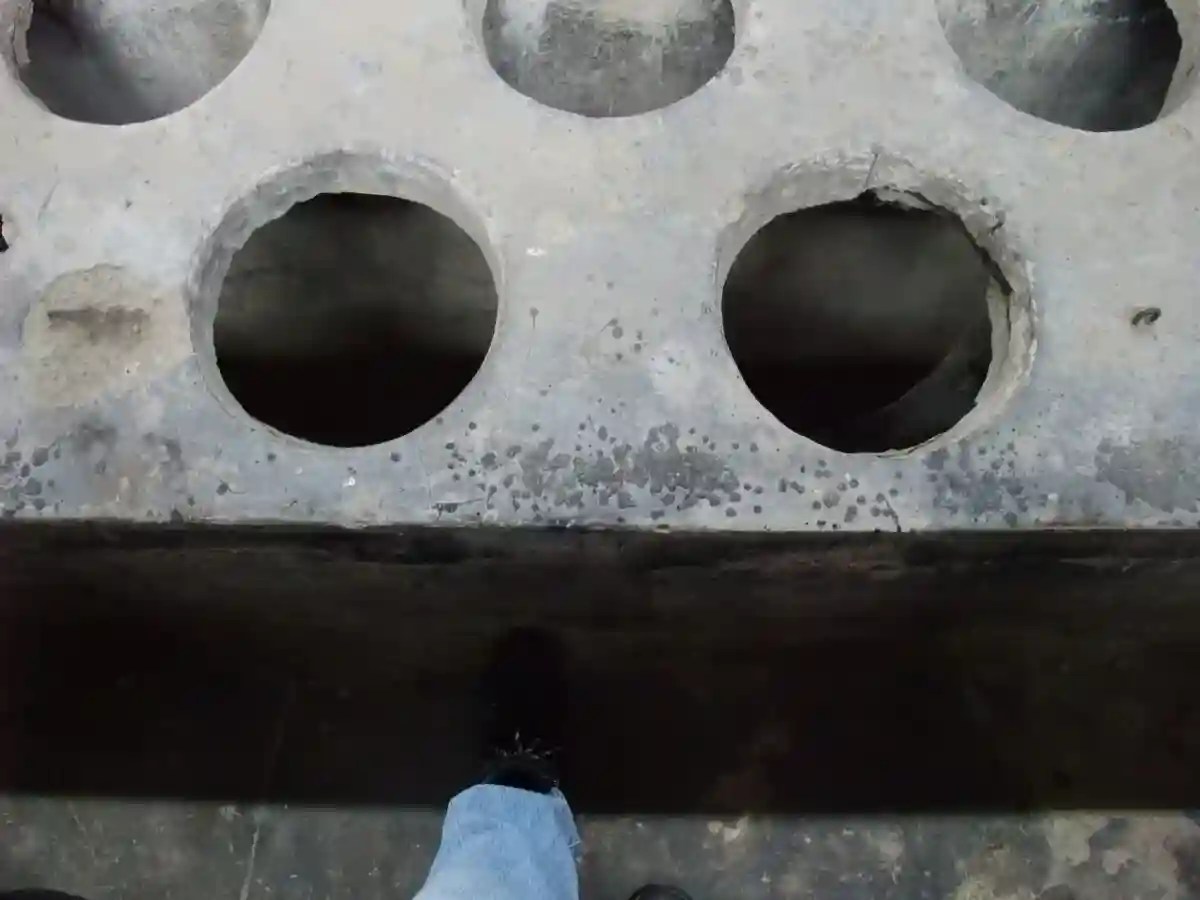
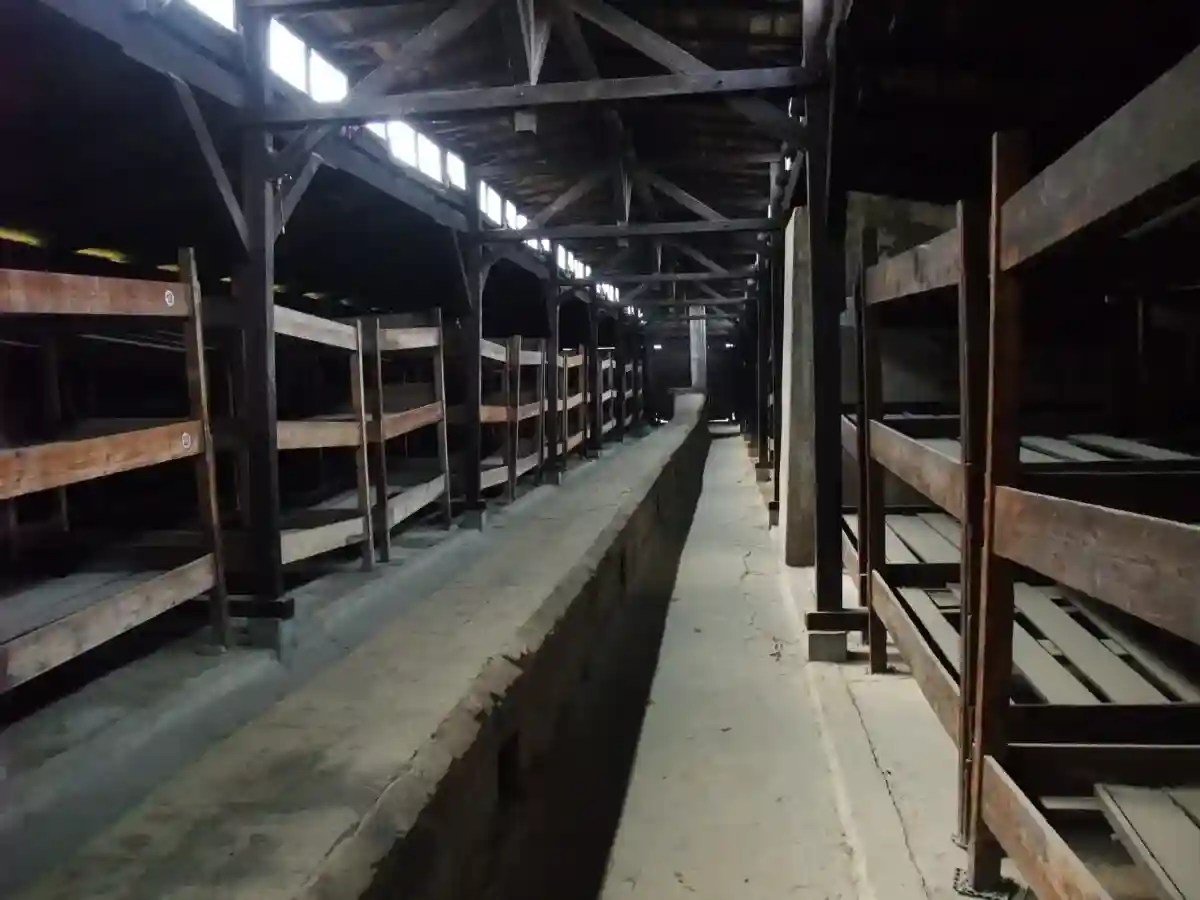
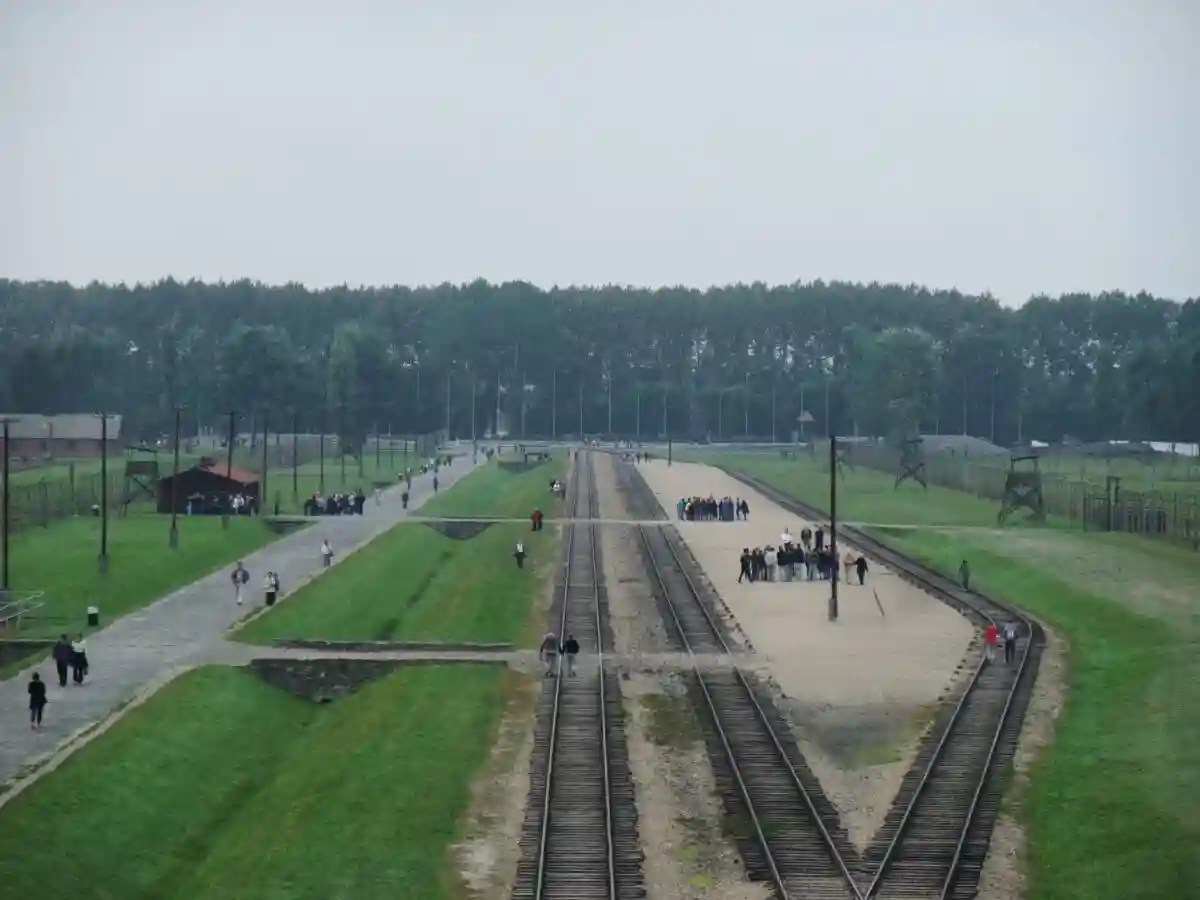
Then on to Birkenau. The railway lines built to take people to within 100 metres of the gas chambers. The wooden huts where over 700 people were each crammed in, 3 or more to a bed. The latrines, a long row with holes barely 30 cm apart.
We saw where people were selected, straight off the train, the minority to be worked to death, the overwhelming majority to be taken to the gas chambers.
We saw where over 1,000,000 people died through state sanctioned murder.
–
All this I know, through the visit, the photos, the relics, the reading I have done. All this I know to be true, having seen items that people do not give up readily, through photos, through seeing buildings that cannot feasible have any other purpose than to degrade and kill.
–
I walk away from all this with a sense of disappointment and shame.
I have a sense of collective shame, that I am a person and it was people who made and allowed this to happen.
My biggest feeling of shame comes from my own actions and feelings on the tour.
Much of my feelings were aimed not at the perpetrators, not at the victims, but at the other members of my tour party, the tour format, and other tourists. The four hungover Australians, guys in their early to mid 20s, who seemed completely unmoved, showed little respect and spoke far too loudly for the location. I desperately wanted to confront them, ask them why the fuck they even bothered to get oout of bedBut I didn’t, and I should have, if only to try to make them think. Instead I let them be, feeling that they probably spent the night in a bar telling people, “oh year I went to Owswich today, and it was cool”.
Then there was the 60-something guy from London with the big camera, taking photos of everything, usually with a flash, in spite of requests not to take pictures indoors.
Then there was the English idiot and his wife. Not being able to use soomething as simple as a pocket, his mobile phone had to be in his wife’s bag. His ringtone was that song by Queen. The phone went off while the guide was explaining the crematoria of Birkenau. After much fumbling in the bag the phone was found. And he answered it. I feel ashamed that I had no response to this, that I could think of no recourse that didn’t involve violence.
That was just in our group.
Then there were school groups, prancing around, trying to get three or more into a group shot, smiles all around. To be fair, it wasn’t just school groups, there were a group in uniforms, with what looked like cyrillic writing, and a star of david, doing the same.
There was the group of adolescents from Israel, many wearing the Israeli flag like a cape, generally clowning around and having little of what I consider to be respect for either the location or other visitors.
Maybe I just don’t understand respect. Maybe I’m becoming a fuddy-duddy. I had thought the lesson of Auschwitz-Birkenau was we should never let anything like this happen again. That it was a place to reflect on how so many people were killed, whole families, the old, the young. That never again should something so bad happen that it is convenient to round the victims to the nearest ten thousand or hundred thousand. Using those guidelines, I’ve lived in towns whose entire population could be statistically lost due to rounding. It’s easy to say that 1.1 million were killed here. It’s eleven characters or keystrokes. If it had to be typed as 1+1+1+1+1+1… it gives extra pause for thought.
The guide did a good job, she was knowledgeable, was able to answer various questions. It was unfortunate that English wasn’t her first language, making some of the atrocities she described appear almost without emphasis. I believe that she was honestly moved by the location, and wasn’t just going through a routine, but found her delivery unconvincing.
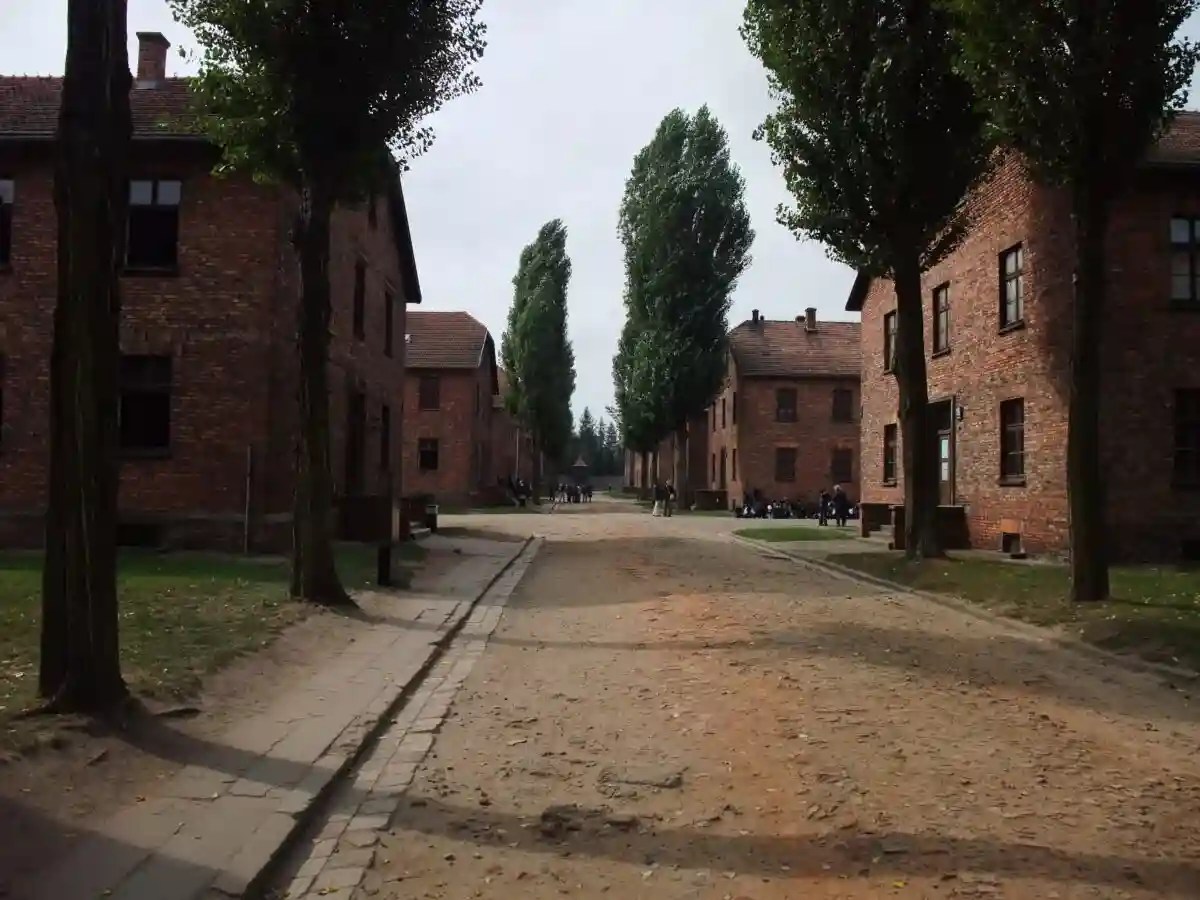
I don’t blame her, but I think the administrators of the Auschwitz museum need to take a good look at how they run things. Trying to preserve a sense of dignity and respect, while filling the place wall to wall with tour groups, isn’t how I’d go about it. Trying to take everything in, while running to a schedule, jostling for space in corridors, stairways and roadways, is problematic.
I wanted to feel more, but found the whole experience dehumanising, and left feeling that strongest. There was little that gave me a personal connection, little to move me, as the majority of the tour seemed to focus on the whole, without bringing it down to a personal level. It is intimidating to see two tonnes of human hair, but so easy to get lost in the scale to the individual locks and braids. Same with the chamber of children’s shoes, it reinforces the scale but reduces the individual. One of the only places the guide could point to and anem an individual who died there, was where camp commandand Hoess was hung.
Maybe that’s the point to Auschwitz-Birkenau. That the absolute scale is unimaginable, that it was a place that stripped individuality, that it truly was a horror beyond comprehension.
maybe it’s my fault. The fault of me and the hundreds of thousands like me, who wish to come here and see for themselves. The demands of tourists has led to the scene of the crime becoming a virtual theme park.
Maybe it’s my fault, for being unable to fully comprehend the horror without giving it a human face, without hearing individual tales, without understanding it all on a personal level.
Maybe I needed to see something big, a visual display of what 1,100,000 actually means. Birkenau was more moving for me than Auschwitz, it was big, bleak and uninviting. Knowing it was where the majority of victims died probably influenced this. It was a pity the tour here was brief, taking in two huts and the tower, as I would have liked more time to wander through it all (there was an option for this, but it also involved finding my own way back to Krakow, something I didn’t want to do after something like this).
–
I don’t know, maybe it’s just me feeling cynical, but I ‘m not sure I got what I was looking for. The big stuff was too big to convey, or too big for me to fully comprehend, and the little stuff that I could have taken from there, such as the horrific work of Mengele, being able to put victims in individual circumstances, wasn’t readily apparent.
Maybe that’s the point.
Or maybe, as a random thought, the perperators have succeeded in covering up an unimaginable crime, through committing it on an incomprehensible scale that stripped individuality from its victims. They have left a scene to be visited by Australians on a whim, and clueless Englishfolk.
–
I came to Auschwitz-Birkenau for a dose of reality. What I feel I left with was a dose of incomprehension, simultaneously underwhelmed and overwhelmed.









You May Also Like

Say it slowly tour Day 16: Tirana, Kruje, Stuttgart

Say it slowly tour Day 13: Pristina and Tirana, italian efficiency, and no luggage

